154,302 parts from 188 brands, every one sourced to order
Abrasives
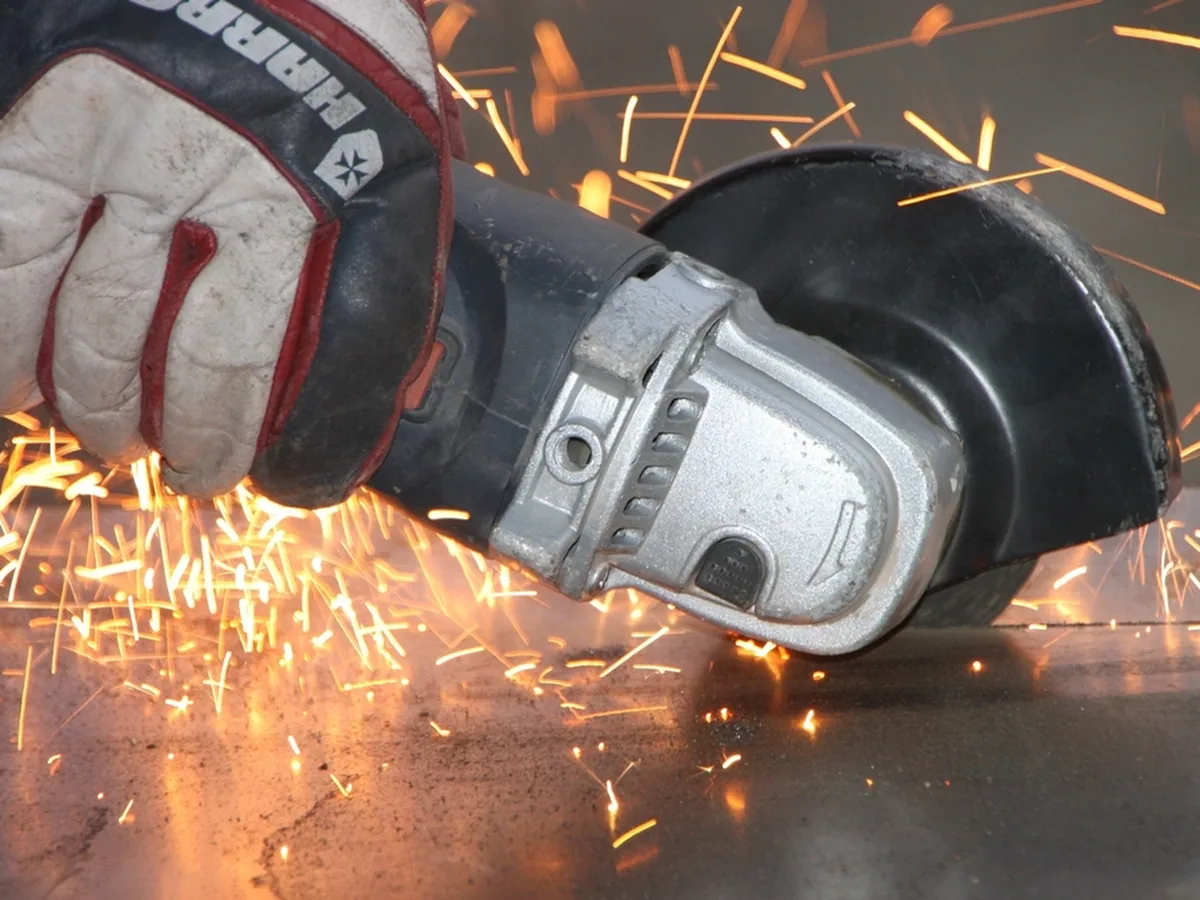
Abrasives get bought on price and regretted on time. The cheaper wheel that loads up, glazes, or wears three times as fast costs more in labour than it ever saved. Every line here is sourced to order across the common grits, backings and bonds.
Showing 129–144 of 7538 results
-

Back up pads which must be used with 3M Fibre Discs
Part #: 7000105442 $21.70 -

Brush Cup TK18 75X1RXMT Ll 0.50
Part #: TTCS75 $18.41 -

Brush Cup TK26 100x1RxM14 0.50
Part #: TTC100 $26.55 -

Brush Hbu 30 Inox 0,30
Part #: 43672003 $9.30 -
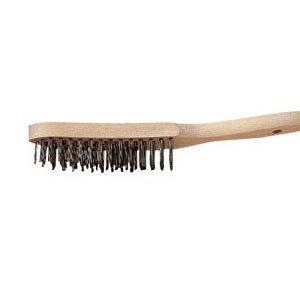
Brush Hbu 30 St 0,35
Part #: 43672001 $3.70 -

Brush Hbu 40 Inox 0,30
Part #: 43673003 $10.60 -
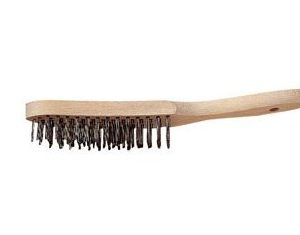
Brush Hbu 40 St 0,35
Part #: 43673001 $4.20 -
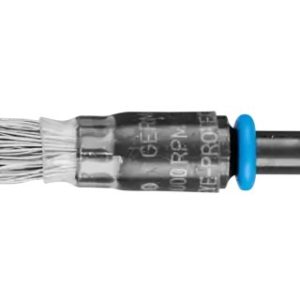
Brush Pbu 1010/6 Inox 0,35
Part #: 43204003 $11.10 -

Brush Pbu 2022/6 Mes 0,50
Part #: 43202002 $15.55 -

Brush Pbur 2530/6 St 0,20
Part #: 43214001 $21.15 -

Brush Pos Rbu 3006/6 St 0,20
Part #: 43701005 $11.75 -

Brush Pro-S for S15 and S10 (5 pk)
Part #: EKPRO130 $126.18 -
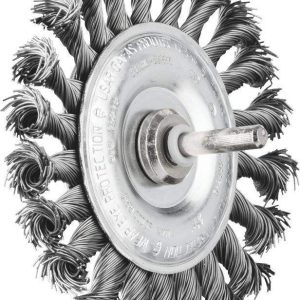
Brush Rbg 10012/6 St 0,50
Part #: 43108002 $39.50 -

Brush Rbu 10010/6 St 0,30
Part #: 43109001 $18.10 -
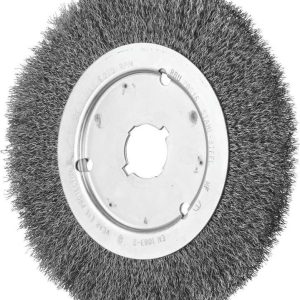
Brush Rbu 20016/22,2 St 0,25
Part #: 43506005 $53.50 -
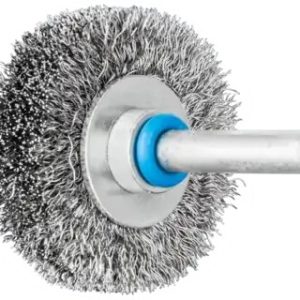
Brush Rbu 4009/6 Inox 0,20
Part #: 43103003 $16.60

More about Abrasives
Choosing abrasives: grain, grit and bond
Three variables decide whether an abrasive suits the job:
- Abrasive grain. Aluminium oxide is the general-purpose choice for steel. Silicon carbide is harder and sharper, suiting stone, glass and non-ferrous metal. Zirconia and ceramic grains self-sharpen under pressure, which is what makes them worth the money on heavy stock removal.
- Grit size. Lower is coarser. Coarse grit removes material; fine grit refines finish. Skipping more than one grit step leaves scratches the next step cannot clear.
- Bond and backing. Resin bonds suit high-speed cutting and grinding; cloth backings flex around contours where paper backings tear.
Stainless and aluminium need dedicated abrasives
This is the mistake that causes the most expensive rework. Abrasives used on carbon steel pick up iron particles, and those particles embed in stainless steel and rust — so a stainless fabrication finished with a contaminated abrasive grows rust spots days later, and the finish has to be redone.
Use abrasives certified low in iron, sulphur and chlorine on stainless, and keep them segregated from carbon steel work. Aluminium has a different problem: it is soft and loads abrasives quickly, so it wants open-coat products, often with a lubricant coating to stop clogging.
What sits in this category
Grinding wheels and points is the largest group, covering cutting and grinding discs, mounted points and bench wheels. Sanding belts and sanding pads cover linishing and orbital work, and abrasive sheets and abrasive rolls cover hand work.
Polishing pads covers finishing and compounding, and pipe brushes covers internal cleaning and deburring.
Safety is not optional with bonded abrasives
A bonded wheel that comes apart at speed is genuinely dangerous, and almost every failure is preventable. Never exceed the maximum RPM marked on the wheel — that marking is the limit, not a suggestion, and a wheel fitted to an overspeed grinder can burst. Match the wheel to the guard and the machine it was made for.
Check for cracks before fitting, and never use a wheel that has been dropped. Cutting discs are made for cutting, not side grinding; loading a thin cutting disc laterally is how they shatter.
Respirable crystalline silica is the other hazard here. Grinding and cutting masonry, concrete and engineered stone generates silica dust, and Australian exposure limits have tightened substantially. Water suppression or on-tool extraction plus appropriate respiratory protection is required, not advisory. See Safe Work Australia’s crystalline silica guidance for current requirements.
Ordering abrasives from us
Tell us the material, the machine and the finish you are chasing, and we will specify grain, grit and backing. Quote a part number and we will source it, or identify an equivalent where a line has been superseded.
Storage and shelf life
Resin-bonded abrasives absorb moisture, and a wheel that has sat in a damp shed loses strength unevenly. Most bonded wheels carry an expiry date for exactly this reason, and it is worth reading before fitting something that has been on the shelf for years.
Store wheels flat or supported on edge, dry, and away from impact. Coated abrasives curl and crack if stored in heat or hung under their own weight. Belts in particular should be hung on a wide support or stored flat so the joint is not stressed.
Buying abrasives in bulk only saves money if the storage is right. Where turnover is slow, smaller and more frequent orders cost less than replacing a pallet of perished wheels.
About this product description
This description was generated with the assistance of AI from supplier catalogue data. It is provided to help you identify the part and understand what it does. It may contain errors or omissions, and it is not a technical specification.
The part number is the authoritative identifier for ordering. For specifications, compatibility, installation requirements or warranty terms, rely on the manufacturer's documentation or ask our team.